Empadronamiento: the town-hall registration that unlocks everything
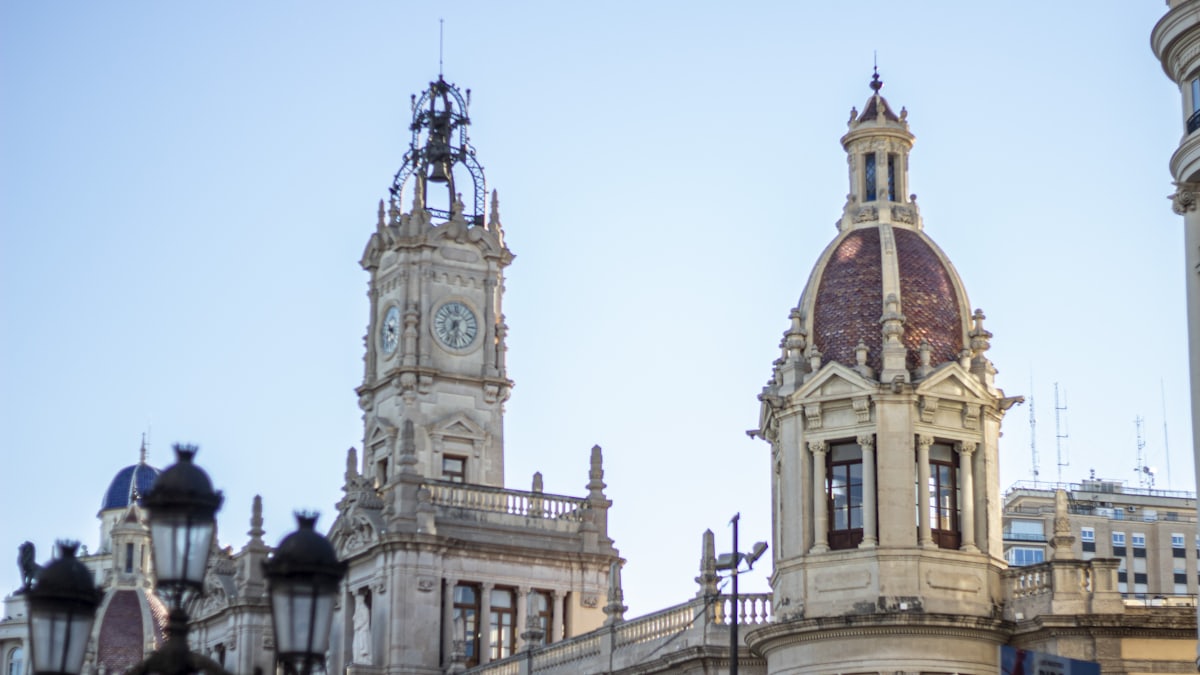
You've got the visa. Now the town hall wants to know you exist here — and until it agrees, half of Spain's paperwork stays locked. The padrón is a short registration at your local ayuntamiento, and it's the one document that keeps reappearing on other people's checklists: the health centre, the TIE appointment, the school office. Do it first, and know what your town hall will accept as proof of address before you go.
In short
- The padrón is a residency registration held by your local ayuntamiento — not immigration paperwork — and it's usually the first thing new arrivals in Spain need to sort.
- You'll typically need proof you live at an address (a rental contract, deed, or a signed cesión letter from whoever owns or leases the property) plus ID and, where relevant, your NIE.
- Book an appointment (cita previa) with your town hall online where possible — walk-ins are rare and queues can be long.
- Once registered, the certificado de empadronamiento is commonly asked for when applying for the TIE, registering with a health centre, or requesting a school place.
Why the town hall comes before everything else
The padrón is not immigration paperwork. It's a municipal registration — a record your local ayuntamiento keeps of who lives within its boundaries, updated as people arrive and leave. For visa purposes it barely matters. For almost everything that comes after the visa, it's the document everyone else asks for first.
New arrivals often assume the TIE appointment or the health centre visit comes first, then discover the booking form wants a padrón certificate before it will proceed. If you haven't mapped out the order of first moves yet, our guide to what to do once your visa is approved sets out the wider sequence — the padrón usually sits near the top of it, and for good reason.
What counts as proof you live somewhere
Each ayuntamiento sets its own list, so the page for your specific municipality is the one to check before you book anything. Generally, though, town halls ask for some combination of: a rental contract or property deed in your name, your passport and NIE if you've been issued one, and sometimes a recent utility bill. If you're staying with someone else, most town halls accept a signed authorisation (a cesión) from the property's owner or leaseholder, along with their ID.
Some town halls want a utility bill as proof of address. Some utility companies want proof of address before they'll open an account in your name. A pattern movers describe again and again: the fix is a signed cesión letter from whoever you're living with, plus your tenancy contract, submitted together — check with your specific ayuntamiento which combination it accepts before your appointment, since the list varies by town.
Booking the cita previa and what happens on the day
Most town halls run this by appointment only. Walk-ins are rare, and queues without a booking can mean a wasted morning.
- Find your ayuntamiento's website and look for "padrón" or "empadronamiento" under citizen registration or population services.
- Book a cita previa online where that's offered; some smaller town halls still take bookings only by phone.
- Bring original ID or passport, your NIE if you've been issued one, and whichever proof of address your town hall listed on its page.
- Ask for the certificado de empadronamiento once you're registered — a colectivo version if others are registered at the same address — and request a couple of copies, since you'll likely hand one over more than once.
What the padrón actually unlocks
Once you're on it, the certificate tends to reappear everywhere. Registering with a health centre commonly asks for it — public healthcare in Spain runs through the regional health services, and the Ministry's guidance explains how that registration generally works. The TIE appointment often lists it among required documents. School enrolment offices ask for it to confirm which catchment area you're in. Even some banks and utility providers will take it as address proof, which can help break the loop above from the other direction.
Requirements shift between regions and sometimes between town halls in the same city, and appointment systems get updated without much notice. The official portals are the ones to trust on the day, not this article — treat what's here as the shape of the process, not the final word on any single office's rules. If you're relocating from the UK specifically, our UK to Spain route page lays out where the padrón fits against the rest of the paperwork.
Official sources to bookmark
Turn the padrón into step one of a sequenced plan, not a scramble.
ONDALOO turns your specific move into one sequenced plan — with every step linked to its official source. We're building it route by route, with an early group along for the journey.
Join the waitlist