How to pay for your life abroad before your local bank account works
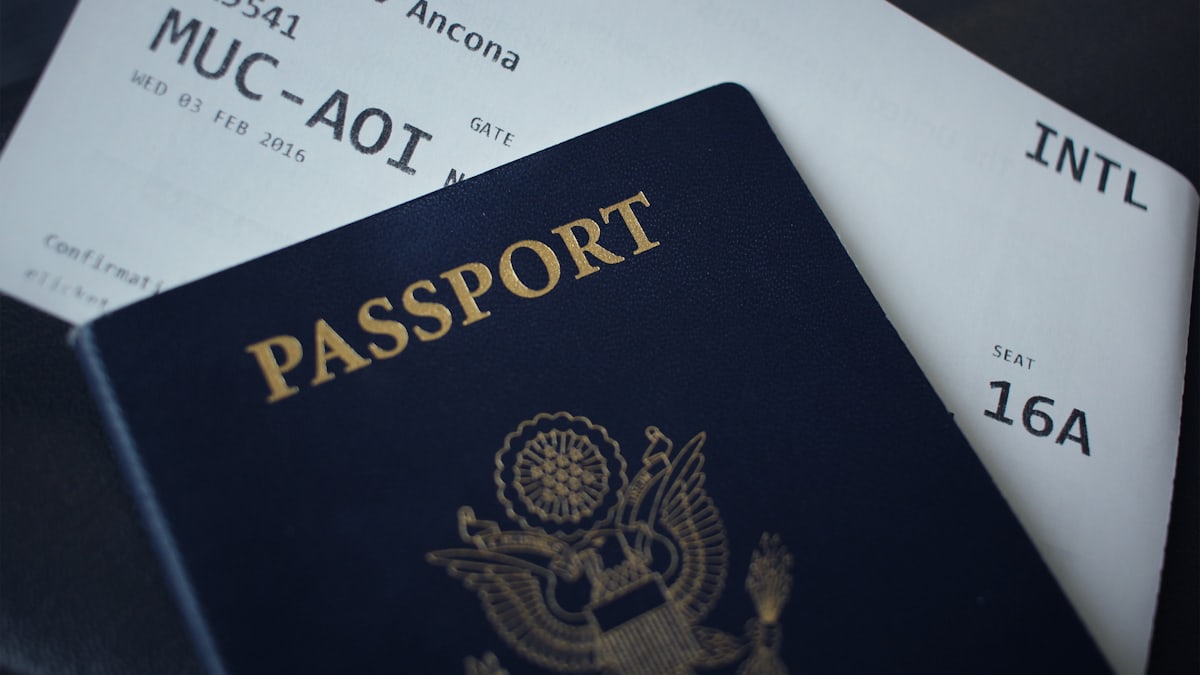
Arriving in a new country is a logistical sprint, but your money might feel like it is stuck at the starting line. Between landing and holding a local debit card, there is almost always a gap of two to four weeks. During this bridge month, you must pay rent deposits, buy groceries, and set up utilities while navigating foreign card fees and security blocks. Surviving this phase requires keeping your home accounts active, holding a cash buffer, and protecting your initial deposits.
In short
- Keep your home bank active: Do not close your origin accounts before moving, as they remain your primary safety net for the first month.
- Map your transaction fees: Check your existing cards for foreign exchange margins and ATM withdrawal limits before you travel.
- Isolate your deposit money: Keep security deposits in an accessible account rather than locking them behind local verification walls.
- Establish a cash buffer: Carry a small, secure amount of local currency to cover immediate transport and cash-only vendors.
The reality of the first-month banking gap
When your visa is approved, it is easy to assume that everyday admin falls into place immediately. However, opening a traditional local bank account usually requires a registered address, a local phone number, or local tax registration. Securing those things requires time. You are left facing a classic dependency loop: you cannot easily sign a long-term lease without a local bank account, but you cannot easily open a bank account without a lease.
Movers we have interviewed describe this transition period as the "bridge month." During this time, your home-country financial tools must do the heavy lifting. Managing this phase is not about finding a single perfect trick; it is about keeping multiple backup options open so you are never locked out of your funds in a supermarket or a rental agency.
Rule 1: Keep your home-country accounts open
A common mistake is closing home accounts to make a clean break. Keeping your home-country bank accounts active is essential. They act as your financial anchor while you navigate local bureaucratic delays. In fact, many digital-only banking services require a registered address in your home country to remain active, meaning you may not be able to open or renew them once you have officially deregistered.
Before you depart, notify your home bank of your travel plans. A sudden series of high-value international transactions or ATM withdrawals in a new country can trigger automatic fraud alerts, instantly freezing your only source of funds. Many financial institutions let you log your travel dates directly in their mobile app or online portal.
Rule 2: Understand the true cost of your current cards
You can use your home debit or credit cards for almost any initial expense, but doing so blindly can be costly. When you pay for items in a foreign currency, your bank typically charges two distinct fees:
- Foreign exchange loading fees: Often around 2.75% to 3% of the transaction value, added to the daily exchange rate.
- Out-of-network ATM fees: A flat fee per withdrawal, sometimes coupled with an additional percentage fee from the local ATM provider.
Independent consumer guidance from organisations like MoneyHelper suggests reviewing your card terms to identify which of your existing accounts offers the lowest foreign transaction fees. It is highly beneficial to carry cards from at least two different payment networks (such as Visa and Mastercard) in case one network experiences an outage or is not widely accepted by local merchants.
When a payment terminal asks whether you want to be billed in your home currency or the local currency, always choose the local currency. Choosing your home currency triggers "Dynamic Currency Conversion," which allows the merchant's bank to set its own highly unfavourable exchange rate.
Rule 3: Fund your deposit before you arrive
The largest expense you will face in your first month is your housing deposit and first month's rent. Landlords and rental agencies rarely accept physical cash for these transactions, and they may be hesitant to wait for a slow international wire transfer that takes days to clear.
You cannot easily open a local bank account without a lease, but you cannot secure a lease without paying a deposit from an account the landlord trusts.
To break this cycle, research specialized international money transfer services before you fly. These platforms allow you to send money from your home bank to a local account via domestic transfer networks, which often clear within hours. Make sure you have established and verified your identity on one of these platforms while you still have access to your home-country phone number, as they often require SMS codes to authorize large transfers.
Rule 4: Prepare a strategic cash buffer
While much of the world has transitioned to digital payments, some countries remain heavily reliant on cash for small daily transactions. Public transport tickets, taxis, deposits for temporary apartment keys, and coin-operated laundries often require physical currency.
Obtain a small amount of local currency before you leave your home country, or use an ATM at the arrival airport as a backup. Avoid currency exchange booths in tourist hubs and airport terminals, as they generally offer the least competitive rates. If you must use an ATM, look for those operated by major established banks rather than independent, generic machines, which often tack on steep convenience fees.
Once you are on the ground and have secured your initial address documents, you can begin the process of unlocking local accounts, such as opening a bank account in the UK or setting up regional equivalents. Until then, treat your home cards and your cash buffer as your primary lifelines.
Official sources to bookmark
Ready to map your arrival budget? Let ONDALOO build your step-by-step moving checklist.
ONDALOO turns your specific move into one sequenced plan — with every step linked to its official source. We're building it route by route, with an early group along for the journey.
Join the waitlist