Anmeldung in Germany: How to register your address
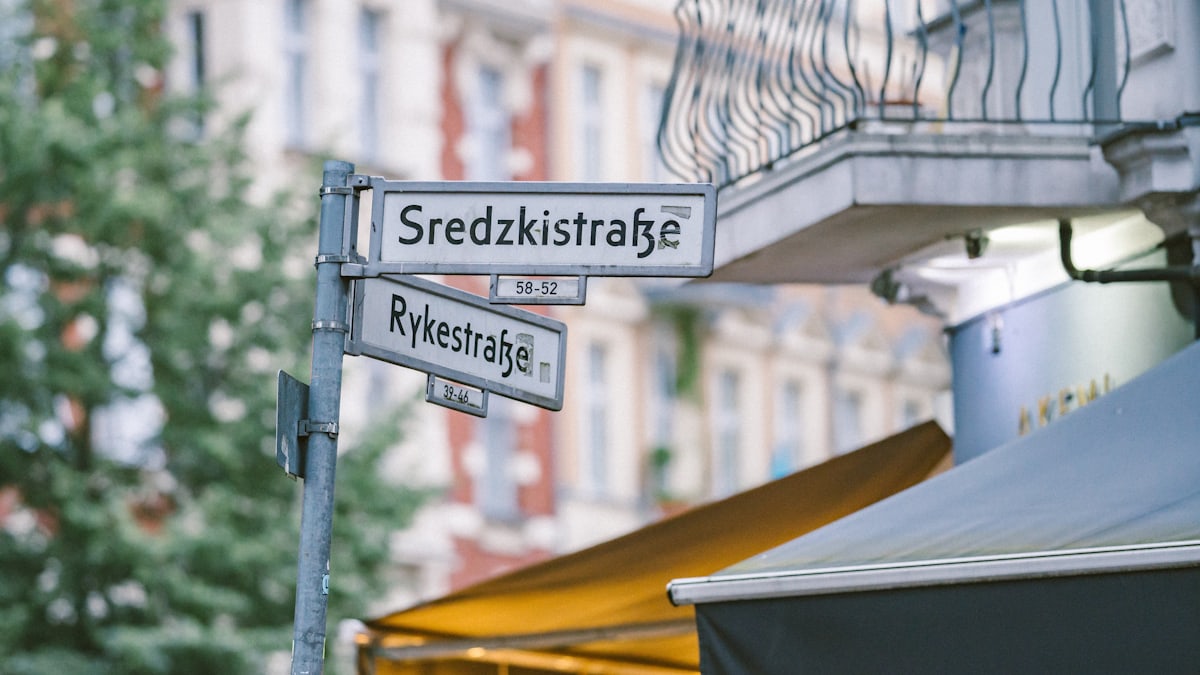
If you are planning a move to Germany, you will quickly hear the word Anmeldung. This simple process of registering your address at a local office is the single most important step after your arrival. Almost every other task, from opening a traditional bank account to getting your tax ID, depends on it. Understanding how the process works and how to navigate the local appointment booking system is the key to settling in without unnecessary delays.
In short
- The 14-day rule is flexible: While the official guideline is to register within two weeks of moving in, authorities in major cities are aware of appointment shortages and generally accept later registrations if you have booked your appointment early.
- You must have a landlord's confirmation: A signed rental contract is not enough; you need a specific form signed by your landlord, known as the Wohnungsgeberbestätigung.
- Your tax ID arrives automatically: Once your registration is processed, the Federal Central Tax Office generates your tax ID and sends it to your new address by post.
What is the Anmeldung and why does it matter?
In Germany, address registration is a legal requirement. Anyone who moves into a home must register their new address with the local registration office, usually called the Bürgeramt or Bürgerbüro. The process itself is called Anmeldung.
This registration is not just a formality; it is the master key that unlocks the rest of your administrative life in Germany. The local authorities use this registration to update their records, which then triggers several other processes. For instance, the Federal Central Tax Office uses your registered address to generate and post your German tax ID (Steueridentifikationsnummer).
You cannot get a traditional bank account or a long-term mobile phone contract without an address registration certificate (Meldebescheinigung). However, finding an apartment that offers registration often requires proof of German income or a bank account. Many new arrivals break this loop by starting in temporary accommodation that explicitly permits registration, allowing them to complete their Anmeldung first.
The crucial document: Wohnungsgeberbestätigung
To register your address, you cannot simply show up with a signed lease. German registration law requires a specific document signed by the person providing your accommodation. This is called the Wohnungsgeberbestätigung (landlord confirmation form).
If you are renting an apartment, your landlord must sign this form. If you are subletting or moving in with a friend, the primary tenant or the homeowner must sign it. The document must state the date you moved in, the address of the property, and the names of everyone moving into the home. It is a good idea to confirm with any temporary accommodation provider before you book that they will provide this signed confirmation, as some holiday rentals are legally unable to do so.
How to book an Anmeldung appointment
In major cities like Berlin, Munich, Hamburg or Frankfurt, finding an appointment at a registration office is notoriously difficult. While the official guidance from the federal government suggests registering within 14 days of moving in, local authorities are realistic about the delays.
As long as you can show that you attempted to book or have an appointment scheduled, you are generally not penalised for registering after the 14-day window. Here is how movers typically navigate the booking process:
- Check the local portal early: Each city has its own online booking portal. In Berlin, for example, search for appointments across all service centres (Bürgerämter), not just the one in your neighbourhood.
- Refresh during morning hours: Cancelled appointments are often loaded back into the municipal booking systems early in the morning. Checking the portal at 8:00 AM can frequently reveal same-day slots.
- Keep your confirmation email: Keep the PDF or email confirmation of your booked appointment. This is your proof that you are actively trying to comply with the registration timeline.
What happens at the appointment?
The appointment itself is usually brief, often lasting less than fifteen minutes. You will need to bring several physical documents with you to the office. The staff will verify your details, input your information into the system, and hand you a stamped paper certificate on the spot. This certificate is your Meldebescheinigung.
Make sure you have the following documents ready for your appointment:
- Your valid passport or national ID card, along with any entry visa.
- The completed and signed landlord confirmation form (Wohnungsgeberbestätigung).
- The registration application form, completed in German.
- Marriage or birth certificates if you are registering as a family, which may need to be translated or carry an apostille depending on where they were issued.
During the process, you will also be asked about your religious affiliation. This is because Germany collects a church tax (Kirchensteuer) on behalf of established religious communities. If you state that you belong to one of these registered religions, tax will be deducted directly from your salary.
Getting your German tax ID after Anmeldung
For most new arrivals, getting a German tax ID is the next urgent priority, especially if you are starting a job. Without it, your employer must tax your income at the highest emergency rate (Tax Class 6).
You do not need to apply for this ID separately. The local registration office automatically forwards your registration details to the Federal Central Tax Office (Bundeszentralamt für Steuern). They will generate your tax ID and send it to your newly registered address by post. This letter typically arrives within two to three weeks of your registration appointment. Once you receive the letter, you can hand the tax ID to your employer, and any overpaid tax can usually be corrected in your next payroll cycle.
If you have recently moved to Germany or are preparing for your transition, establishing your order of operations is essential. You can read more about mapping your transition in our guide on the first ten moves to make after visa approval.
Official sources to bookmark
Build your personalized post-arrival plan for Germany with ONDALOO
ONDALOO turns your specific move into one sequenced plan — with every step linked to its official source. We're building it route by route, with an early group along for the journey.
Join the waitlist