Apostilles, translations and certified copies: sort them before you fly
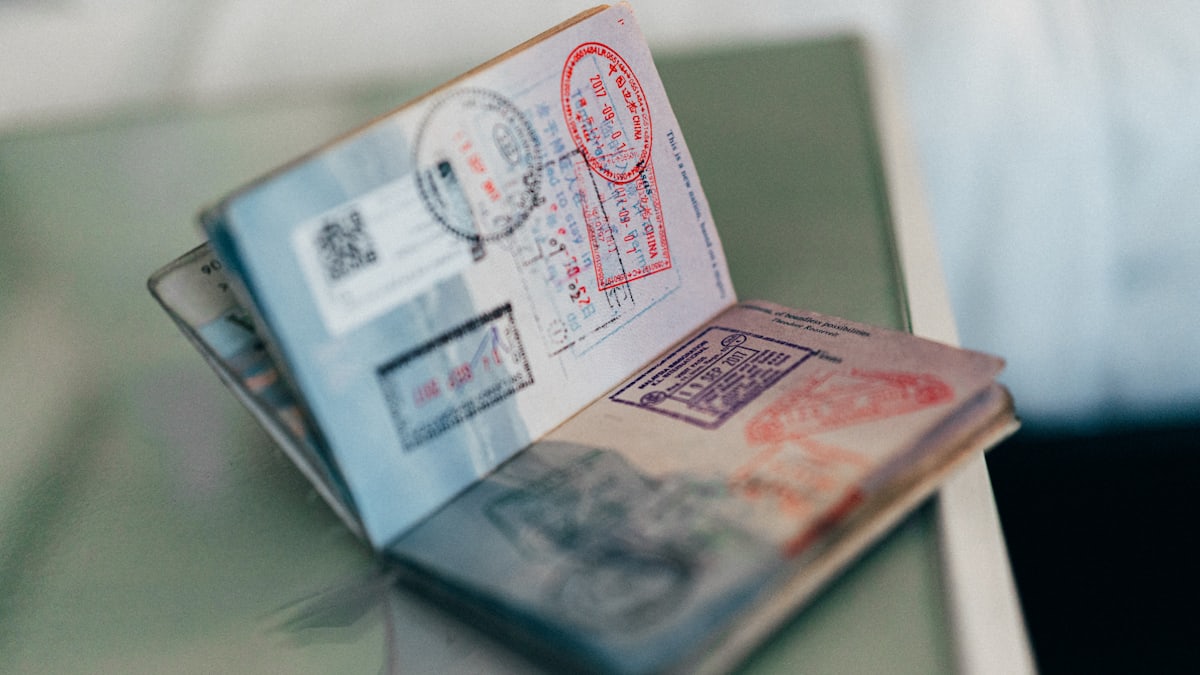
Once your visa is approved, the pressure feels off. But the physical documents you used for your application—birth certificates, marriage certificates, background checks—often have a second life waiting for them in your new home. Whether you are registering with local healthcare, renting an apartment, or setting up a business, you will likely need to present these papers to local officials. Sorting certifications from your home country after you have already boarded your flight is notoriously slow and expensive. Here is how to get them right before you leave.
In short
- Apostilles must happen in the issuing country: You generally cannot get a document apostilled by your home country's embassy once you are abroad.
- Order matters for translations: Always secure the apostille on the original document first, then have the entire package translated by an officially recognised translator.
- Certified copies are not originals: A local solicitor's stamp in your home country is rarely accepted by foreign government departments unless specifically permitted.
The three levels of document certification
When foreign authorities ask for proof of your background or relationships, they need to know your paperwork is genuine. This generally involves three distinct processes, which are often confused but serve entirely different purposes.
An apostille is a certificate attached to your official document by a government authority in the country where the document was issued. It conforms to the Apostille Convention (the Hague Treaty). It is a standardised stamp that tells officials in another country that the signature or seal on your certificate is authentic. It does not certify that the content of the document is correct—only that the document itself is genuine.
A sworn or certified translation is a translation completed by an accredited professional who certifies in writing that it is an accurate and complete translation of the original document. In many countries, such as Spain, Portugal, or Germany, this must be done by a translator who is officially registered with the local Ministry of Foreign Affairs or court system.
A certified copy is a photocopy of an original document that a professional (like a notary or solicitor) has stamped and signed to state it is a true copy of the original. While useful for internal purposes, certified copies of civil documents like birth certificates are rarely accepted for official immigration processes abroad; authorities usually demand a fresh, original certificate.
The hidden trap: Trying to apostille from abroad
The single most important rule of document preparation is that an apostille can only be issued by the country that created the document. If you are a British citizen moving to Spain, the Spanish authorities cannot apostille your UK birth certificate. Crucially, the British embassy in Spain cannot do it either.
If you arrive in your new country and discover you need an apostille on a document you brought with you, you will generally have to mail the physical document back to your home country's government department (such as the Foreign, Commonwealth & Development Office in the UK, or the state department in the US). This process adds weeks of waiting, international courier fees, and the stress of your original documents being lost in the post.
To avoid this, movers commonly audit their files during the transition period. Refer to our guide on what to do after your visa is approved to help structure this phase of your move.
The golden rule of translation: Apostille first, translate second
A common and expensive mistake is having your documents translated before they are apostilled. This often leads to foreign authorities rejecting the entire package.
An apostille is a separate, physical piece of paper or a large stamp attached to your document. If you translate your birth certificate first, and then get the apostille attached, the apostille itself is in English (or your home country's native language) and remains untranslated. Many strict civil registries abroad will refuse to accept the document because part of it is unreadable to them.
- Obtain a fresh original document: Many countries require civil certificates to be issued within the last three to six months. Older certificates are often rejected.
- Get the apostille attached: Send the original document to the official legalisation office in your home country.
- Send the entire package for translation: Send the document including the apostille page to a sworn translator recognised by the destination country. This ensures every single word on the final paper is translated into the destination language.
You cannot get a local rental contract without a local tax number, you cannot get the tax number without presenting a legalised birth certificate, and you cannot easily get your birth certificate legalised while living in temporary accommodation. Securing your apostilles before you fly breaks this loop before it can start.
How to find a sworn translator
Each country has its own rules about who is allowed to translate documents for official use. A standard translation agency in your home country might not meet the required criteria. For example, Spanish authorities typically require a translation by a traductor jurado registered with the Spanish Ministry of Foreign Affairs. Similarly, German courts require a beeidigter Übersetzer.
Before hiring a translator, check the website of the embassy or consulate of the country you are moving to. They regularly maintain lists of approved translators whose stamps are guaranteed to be accepted by local civil registries, banks, and immigration offices.
Official sources to bookmark
Get your personal, step-by-step relocation checklist
ONDALOO turns your specific move into one sequenced plan — with every step linked to its official source. We're building it route by route, with an early group along for the journey.
Join the waitlist